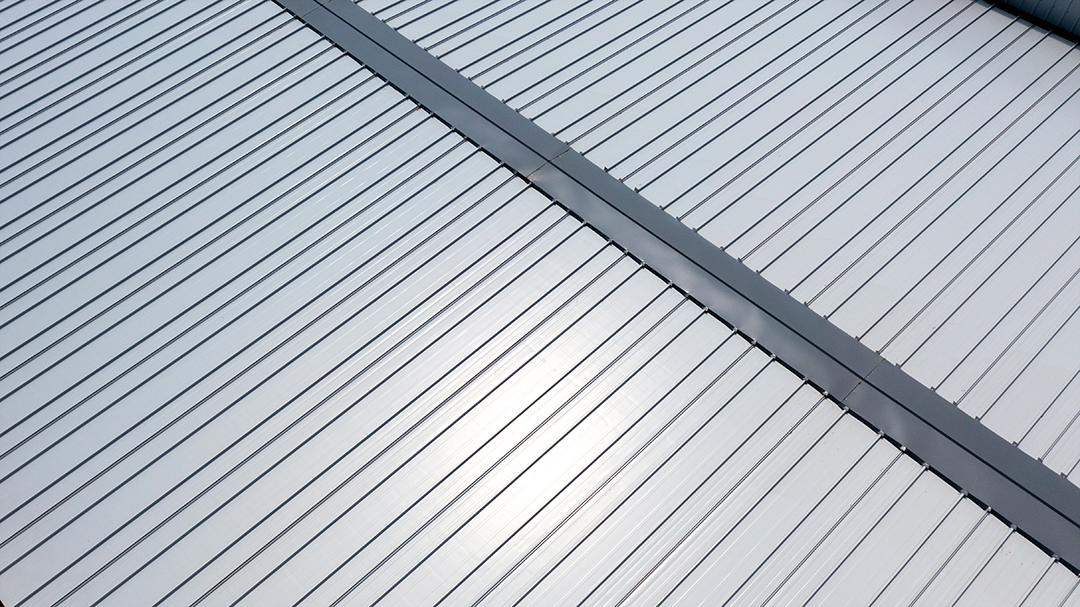
Profiled Steel Sheets for Modern Industrial Construction

As industrial and commercial construction continues to grow worldwide, profiled steel sheets have become one of the most widely used building materials for roofing and wall systems. Known for their durability, lightweight structure, and fast installation, profiled steel sheets are ideal for factories, warehouses, logistics centers, and agricultural buildings.

Modern construction projects increasingly demand materials that combine strength, efficiency, and cost-effectiveness. Profiled steel sheets perfectly meet these requirements while offering flexible design options for different applications.

What Are Profiled Steel Sheets?

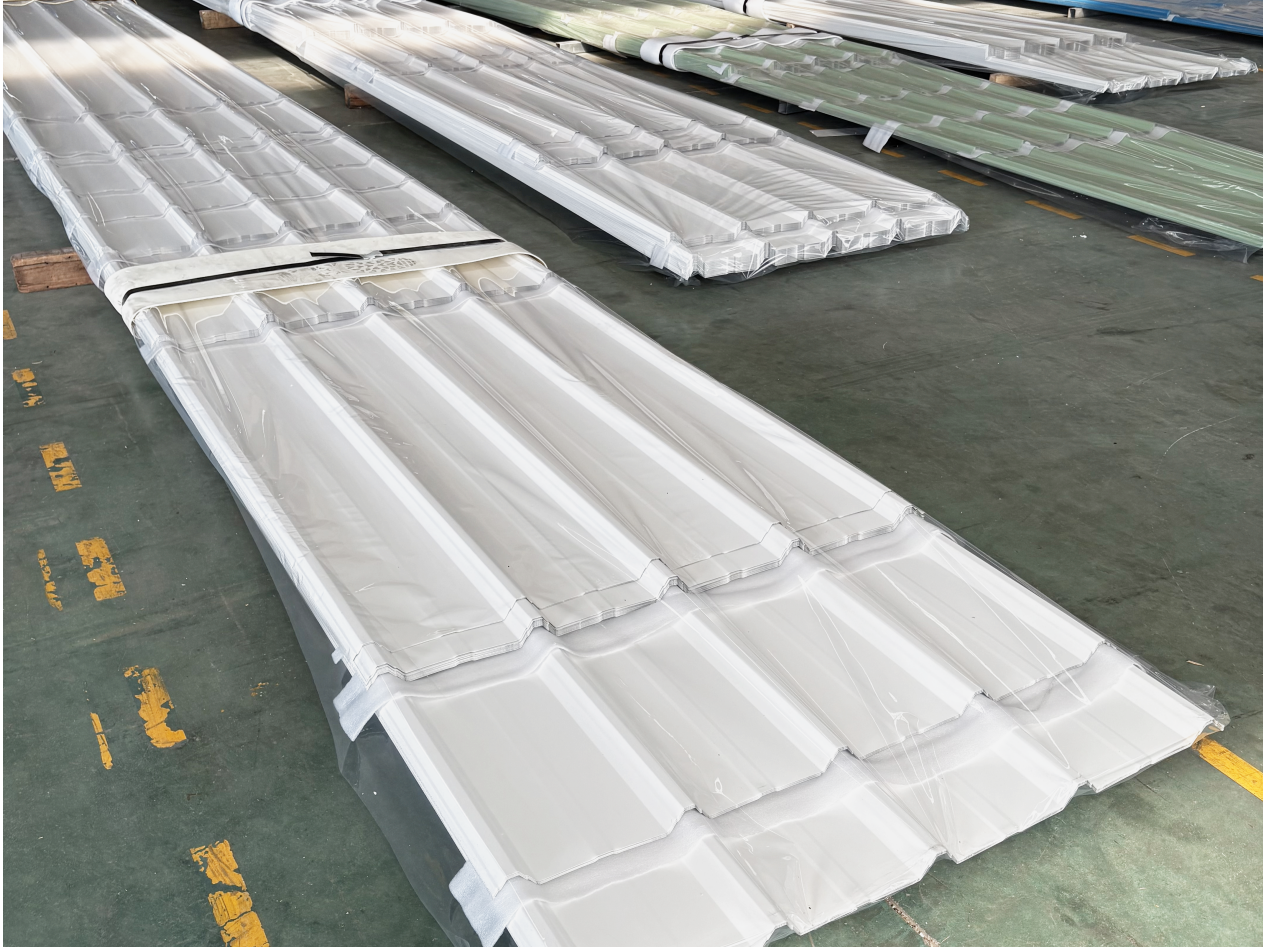
Profiled steel sheets are metal panels formed through cold rolling processes into specific wave or rib patterns. These profiles improve structural strength while reducing material weight.

Common materials include:

  • Galvanized steel
  • Galvalume steel
  • Pre-painted steel coils
  • Aluminum-zinc coated steel

Different profile shapes are available depending on structural and architectural requirements.

Core Advantages of Profiled Steel Sheets

Lightweight Yet Strong

Compared with traditional concrete roofing systems, profiled steel sheets are significantly lighter, reducing structural load and transportation costs.

Fast Installation

Large panel sizes and modular installation systems help accelerate construction schedules, reducing labor costs for industrial projects.

Excellent Weather Resistance

High-quality coated steel sheets provide strong resistance against:

  • Rain
  • UV exposure
  • Corrosion
  • Wind loads

This makes them suitable for long-term outdoor applications.

Cost-Effective Solution

Profiled steel sheets offer excellent value due to:

  • Lower installation costs
  • Minimal maintenance requirements
  • Long service life
  • Efficient transportation and storage

Typical Applications

Profiled steel sheets are widely used in:

  • Industrial factories
  • Warehouses
  • Agricultural buildings
  • Workshops
  • Commercial centers
  • Temporary construction facilities

They are commonly used as roof panels, wall cladding systems, and ceiling panels.

How to Choose the Right Profiled Steel Sheet

Buyers should consider several technical factors:

  • Steel thickness
  • Coating type
  • Zinc coating weight
  • Wave profile design
  • Project environment
  • Wind and snow load requirements

Selecting the appropriate specification ensures long-term structural performance.

Conclusion

Profiled steel sheets have become an essential solution for modern industrial construction thanks to their durability, lightweight design, and installation efficiency. For projects requiring economical and reliable building materials, profiled steel sheets remain one of the best choices for roofing and wall systems worldwide.


HEADSTREAM Insulated Decorative Wall Panels | Energy-Efficient Facade Solutions for AI Data Center Infrastructure

With the rapid advancement of artificial intelligence technologies—such as large language model training and AI Agent applications—global computing power demand is growing exponentially. As the core infrastructure supporting digital intelligence, data centers are entering a new phase of high-quality, high-efficiency development.

In this context, modern data centers require not only higher computing density and energy efficiency but also stricter performance standards for the building envelope system, including energy saving, durability, construction speed, and architectural aesthetics.

Landmark Project: China Telecom Anhui Big Data Industrial Park

One of the most influential large-scale data centers in Eastern China, China Telecom Anhui Big Data Industrial Park, integrates high-performance computing, massive data storage, and emerging industry incubation functions. It serves as a core cloud computing base for China Telecom Group.

For this mega data center project, HEADSTREAM’s aluminum insulated decorative wall panels were selected to deliver a high-performance facade system combining energy efficiency, durability, and modern architectural aesthetics.

Energy Efficiency & Thermal Stability

HEADSTREAM insulated decorative panels feature long-fiber vertical fireproof hydrophobic rock wool as the core insulation material. Combined with a high air-tightness structural design, the system provides:

  • Extremely low thermal conductivity
  • Excellent fire resistance performance
  • Stable indoor temperature and humidity control

This ensures reliable environmental stability for data centers with strict operational requirements, while significantly improving overall building energy efficiency.

Durable & Aesthetic Facade Performance

The exterior surface uses PVDF-coated aluminum panels, offering outstanding resistance to:

  • UV radiation
  • Acid rain and salt spray corrosion
  • Long-term weathering effects

Additionally, the self-cleaning coating allows rainwater to naturally wash away dust and pollutants, keeping the facade clean and visually consistent over time.

The deep grey architectural finish delivers a modern, stable, and technology-driven appearance, aligning perfectly with the professional image of high-end data centers.

Customized Design & Precision Fabrication

HEADSTREAM provides fully customized facade solutions with seamless integration across design, production, and installation:

  • Digitalized design-to-manufacturing workflow
  • Factory-prefabricated precision components
  • On-site rapid installation
  • Accurate detailing for corners, window frames, and curved structures

Each component is tailor-made according to actual site conditions, ensuring high accuracy and smooth architectural expression.

Strong Structure & Long-Term Safety

The panels are manufactured using continuous polyurethane micro-foaming and hot-press composite technology, bonding the metal skin, insulation core, and backing layer into a single integrated system.

Key advantages include:

  • High impact resistance
  • Excellent bending strength
  • Stable structural integrity

When connected to the building structure, the system forms a strong and reliable facade envelope with excellent wind resistance, seismic performance, and deformation resistance—providing solid protection for sensitive IT equipment inside data centers.

Fast Construction & Cost Efficiency

HEADSTREAM insulated decorative panels are factory-prefabricated, enabling:

  • Easy and fast on-site installation
  • Integration of insulation and decoration in one system
  • Reduced construction time
  • Lower labor and installation costs

This fully aligns with the modern data center requirement for fast delivery, green building standards, and high operational efficiency.

Conclusion: A High-Performance Envelope for the AI Era

In the era where computing power defines productivity, HEADSTREAM is committed to delivering advanced building envelope systems tailored to the needs of next-generation data centers.

By combining energy efficiency, architectural aesthetics, structural safety, and rapid construction capability, HEADSTREAM insulated decorative wall panels provide a reliable solution for the rapidly evolving AI infrastructure industry.

Moving forward, HEADSTREAM will continue to innovate in sustainable building materials and facade systems, supporting global data center development and contributing to the growth of the digital economy.


Are PUF Sandwich Roof Panels Suitable for Solar Panel Installations?

With industries and commercial facilities rapidly shifting toward renewable energy, rooftop solar systems have become a strategic investment. However, before installing photovoltaic modules, one important question must be answered:


Is your roofing system strong and stable enough to support a solar structure?


Among modern industrial roofing materials, PUF sandwich roof panels are widely used for their insulation performance, durability, and fast installation. But are they suitable for solar panel mounting?


The answer is yes — when properly engineered and installed.


Understanding the Structure of PUF Sandwich Roof Panels


PUF (Polyurethane Foam) sandwich panels consist of two pre-coated metal sheets bonded to a rigid polyurethane insulating core. This composite structure creates a roofing system that is:


Lightweight


Structurally strong


Thermally efficient


Corrosion resistant


Because these panels are factory-engineered products, their load-bearing capacity can be accurately calculated. Manufacturers design them to withstand wind pressure, maintenance traffic, and additional rooftop equipment — including solar mounting systems — when structural calculations are properly followed.


Why PUF Roof Panels Work Well for Solar Installations

  1. Lightweight Yet Structurally Reliable


PUF panels distribute loads efficiently across purlins and structural supports. When mounting systems are correctly anchored into structural members (not just the sheet surface), the solar array’s weight is safely transferred without creating stress concentration points.


  1. Enhanced Thermal Performance


Solar panels provide natural shading, reducing direct solar radiation on the roof. When combined with the superior insulation of PUF panels, buildings benefit from:


Lower indoor temperatures


Reduced HVAC load


Improved energy efficiency


This dual-layer performance improves overall operational savings.


  1. Faster and Easier Mounting


Compared to traditional RCC roofs, PUF sandwich panels offer:


Uniform surface alignment


Modular panel layout


Predictable structural grid


This simplifies rail placement and bracket installation, accelerating project timelines.


  1. Corrosion Resistance for Long-Term Projects


Solar plants are long-term investments. The pre-coated metal facings of PUF panels offer excellent corrosion resistance, ensuring roofing durability throughout the solar system’s lifespan.


Key Technical Considerations Before Solar Installation


Although compatibility is strong, proper engineering evaluation is essential.


Load Assessment


Installers must calculate:


Dead load (solar modules + mounting hardware)


Live load (maintenance access)


Wind uplift forces


If the supporting structure — purlins, rafters, and main frames — is properly designed, solar integration is safe and efficient.


Proper Mounting Method


Direct drilling without planning can compromise roof integrity. Best practice includes:


Anchoring into structural members


Using certified brackets or clamp systems


Distributing load evenly


Waterproofing Protection


All penetrations must be sealed with approved fasteners and sealing materials to prevent leakage and maintain roof performance.


Roof Slope and Orientation


Roof pitch influences tilt angle design and energy yield. Structural layout should align with optimal solar orientation for maximum efficiency.


Do PUF Roof Panels Require Reinforcement?


Not necessarily.


Most modern industrial buildings anticipate future solar installation and include additional structural capacity during the design phase. However, older buildings may require:


Structural audit


Load verification


Minor reinforcement adjustments


A professional assessment ensures safety compliance and insurance approval.


Additional Benefits Beyond Solar Power


Installing solar panels on PUF roofing creates combined performance advantages:


Lower Interior Heat Gain


The insulated core plus panel shading significantly reduces heat transfer.


Improved Equipment Lifespan


Cooler indoor environments reduce thermal stress on machinery and stored goods.


Reduced Energy Costs


Daytime solar generation offsets peak electricity tariffs.


Stronger Sustainability Profile


Solar-integrated insulated roofing supports ESG and green building goals.


Common Concerns — Clarified


Will drilling damage insulation?

When done professionally using recommended systems, insulation performance remains intact.


Can wind lift the panels?

Certified mounting systems are engineered to resist uplift forces.


Will warranties be affected?

Most manufacturers maintain warranty coverage when installation guidelines are followed.


Best Practices for Long-Term Performance


To ensure safe and durable integration:


✔ Involve the roof panel manufacturer during planning

✔ Obtain structural load approval

✔ Use certified solar mounting hardware

✔ Avoid unnecessary roof penetrations

✔ Schedule periodic inspections


Following these steps allows PUF roofs to perform reliably for decades.


Future of Industrial Roofing and Solar Integration


Industrial roofing is evolving from passive protection to active energy generation. Modern factories increasingly treat rooftops as revenue-generating assets.


PUF sandwich panels are ideal for this transition because they offer:


Structural strength


High thermal insulation


Long service life


Compatibility with renewable infrastructure


As solar adoption accelerates globally, integrating insulated roofing systems from the design stage will become standard practice.


Final Verdict


Yes — PUF sandwich roof panels are highly suitable for solar panel installations, provided structural planning and professional mounting practices are followed.


They not only support renewable energy systems but also enhance building efficiency, making them one of the smartest roofing solutions for industrial and commercial growth.

en_USEnglish
Free Quote & Information Request

Leave your inquiry, we will provide you with quality products and services!